
How To Reduce Payment Declines
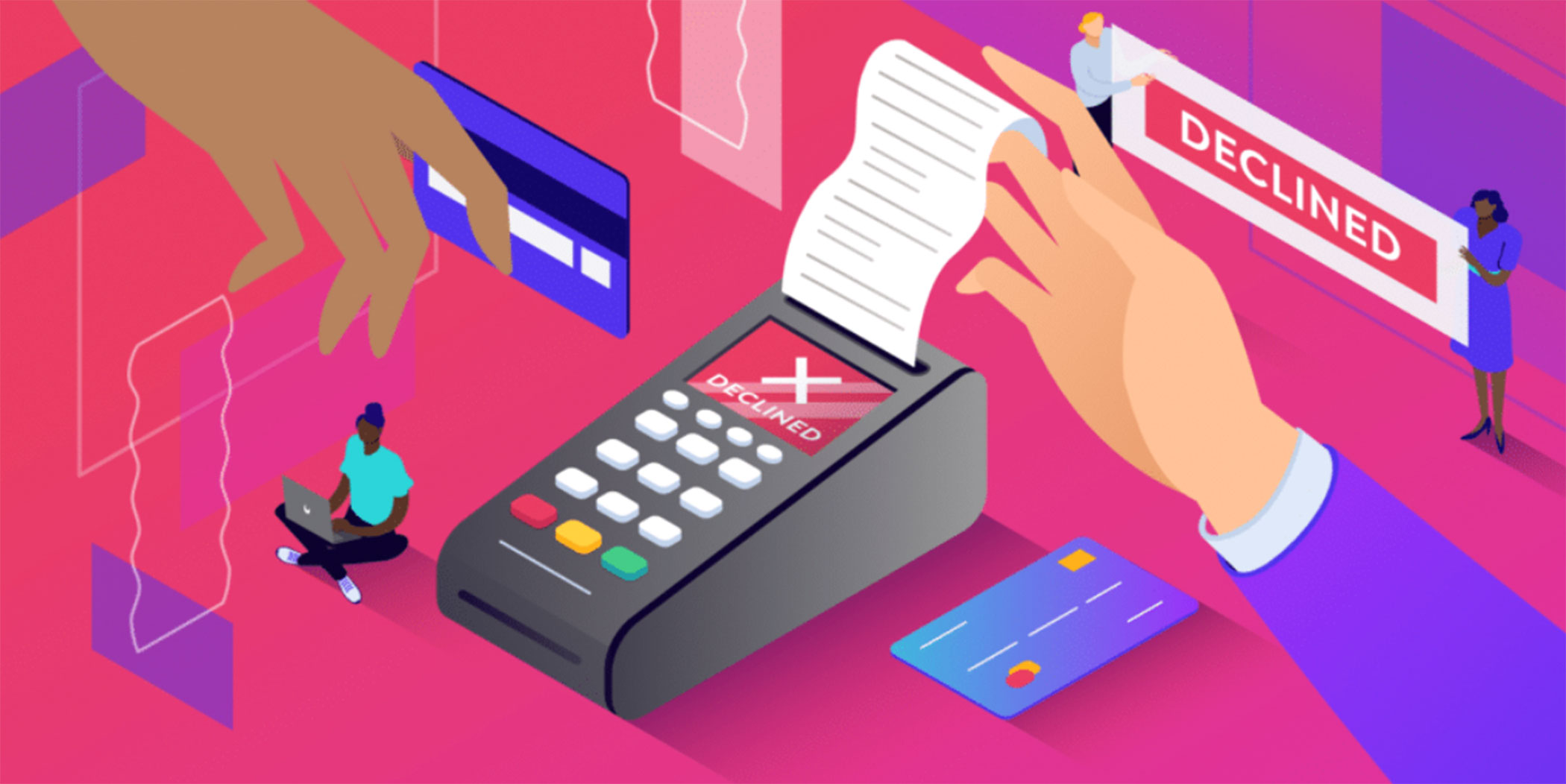
Advertising budgets get burned fast when payments fail. A campaign runs smoothly for days, then suddenly stops. The culprit? A declined transaction that nobody saw coming.
This happens more than most businesses realize. Card-not-present transactions (the kind used for online ad spending) face higher decline rates than in-person purchases. According to Bank of America, these transactions get rejected far more frequently because banks can't verify the physical card. When a company runs thousands of dollars in daily ad spend across multiple platforms, even a small decline rate creates serious problems.
The cost isn't just the paused campaign. It's the momentum lost, the audience that goes cold, and the time spent fixing issues that could've been prevented. Businesses running high-volume advertising need better approaches to keep payments flowing without constant intervention.
Why Ad Payments Get Declined
Banks reject transactions for dozens of reasons. Some make sense, others don't.
Fraud detection systems flag unusual spending patterns. A company that suddenly increases ad spend by triple the normal amount? That looks suspicious. The bank blocks it automatically. Same thing happens when businesses use the same card across multiple platforms (Facebook, Google, TikTok, LinkedIn). Multiple charges hitting simultaneously trigger fraud alerts even when everything is legitimate.
Insufficient funds cause obvious declines. But credit limits create problems too. A business might have plenty of cash available but hits the card limit halfway through the month. Campaigns pause. Budget gets wasted on restarting momentum.
Incorrect card details trip up more transactions than expected. An outdated billing address, expired card on file, or wrong CVV entered months ago sits dormant until a critical campaign launches. Then it fails.
Issuing bank policies vary wildly. Some banks restrict certain merchant category codes. Others limit international transactions. A few flag recurring charges to the same vendor as suspicious. Businesses often don't know their bank's specific rules until a payment gets rejected.
Use Multiple Cards For Different Platforms
Spreading ad spend across several virtual cards immediately reduces decline risk.
When businesses use one card for all advertising platforms, banks see concentrated high-volume charges that look abnormal. Separating spend creates cleaner transaction patterns. One card handles Facebook campaigns. Another manages Google Ads. A third covers LinkedIn and other platforms.
This approach prevents cascade failures. If one card gets declined, the other campaigns keep running. The business doesn't lose all advertising momentum from a single rejected transaction.
Virtual cards work particularly well here. Companies can issue platform-specific cards without paying issuance fees or managing physical plastic. Penny Inc's unlimited virtual cards let businesses create as many cards as needed for campaign separation. Each card operates independently with its own limits and controls.
Bank identification numbers (BINs) matter more than most businesses realize. Different BINs come from different issuing banks with varying policies and risk thresholds. Rotating between multiple BINs spreads risk across banking relationships. Some platforms work better with certain BINs based on historical acceptance rates.
Update Payment Information Before It Expires
Expired cards kill campaigns at the worst possible times.
Most businesses don't track card expiration dates until problems emerge. A high-performing campaign runs perfectly, then dies overnight because the payment method expired. By the time someone notices and updates the information, the campaign has been paused for hours or days.
Proactive monitoring prevents this. Companies should:
- Review card expiration dates monthly
- Update payment information two weeks before expiration
- Set calendar reminders for each card used in ad accounts
- Maintain backup payment methods for every platform
- Test backup cards quarterly to verify they work
Billing address mismatches cause surprising numbers of declines. Banks verify the address on file matches the card's registered address. When companies move offices or use different addresses across platforms, transactions fail. Regular audits catch these discrepancies before they disrupt campaigns.
Monitor Spending Patterns And Limits
Credit limits sneak up on businesses faster than expected with high-volume ad spend.
A company allocates a monthly budget across campaigns, but credit card limits don't align with monthly cycles. The limit gets hit mid-month, campaigns pause, and the business scrambles to shift spending elsewhere. This happens frequently during peak seasons when advertising increases.
Tracking daily spend against available credit prevents surprises. Businesses should know exactly how much credit remains on each card at any given time. When a card approaches its limit, shifting new campaigns to different cards maintains continuity.
Some companies increase credit limits to match advertising needs. This works but requires advance planning. Banks need time to review and approve limit increases. Requesting changes weeks before peak spending periods gives banks time to process.
Spending velocity matters too. Banks notice when daily charges suddenly double or triple. Gradual increases look more legitimate than sudden spikes. Businesses scaling ad spend should ramp up gradually when possible, giving banks time to recognize the new pattern as normal behavior.
Improve Authorization Rates With Better Data
Transaction success rates improve when businesses provide complete, accurate information.
Stripe's research on authorization rates shows that including additional verification data reduces false declines significantly. Card verification codes (CVV), billing addresses, and postal codes help banks confirm legitimate transactions. The more verification data provided, the more confident banks feel about approving charges.
Network tokens replace actual card numbers with secure tokens specific to each merchant. Banks recognize tokens as lower risk because they can't be reused elsewhere if stolen. Adoption of network tokenization demonstrably improves approval rates for recurring charges like ongoing ad campaigns.
Some payment processors offer AI-powered tools that retry declined transactions with optimized parameters. These systems analyze why a transaction failed and automatically resubmit with adjustments that increase approval probability. For businesses running continuous ad spend, this automation recovers revenue that would otherwise stay declined.
Work With Payment Providers That Understand Advertising
Not all payment solutions handle high-volume ad spend equally well.
Traditional business credit cards weren't designed for the spending patterns of modern digital advertising. Hundreds or thousands of small-to-medium charges across multiple platforms daily create transaction profiles that look suspicious to banks built for traditional business expenses.
Payment platforms built specifically for advertising understand these patterns. They work with issuing banks that recognize ad spending as legitimate business activity rather than potential fraud.
Transparency helps too. When payment providers share transaction details clearly with issuing banks (merchant names, business categories, spending patterns), banks make better authorization decisions. Wallester's analysis of ad payment failures emphasizes that many declines happen simply because banks don't understand what they're looking at.
Businesses should ask payment providers specific questions: What's your average authorization rate for advertising transactions? Which issuing banks do you work with? How do you handle fraud detection for high-volume charges? Do you support multiple BINs? The answers reveal whether the provider actually understands ad spend challenges.
Set Up Real-Time Decline Alerts
Finding out about payment failures hours later wastes money and momentum.
Real-time notifications let businesses respond immediately when transactions fail. Instead of discovering a paused campaign the next morning, teams get instant alerts and can switch to backup payment methods within minutes.
Most ad platforms send email notifications about payment issues, but email gets buried. SMS alerts, Slack integrations, or dedicated monitoring dashboards work better for time-sensitive problems. Some businesses assign team members to monitoring rotations during high-spend periods.
Features like those offered by Penny Inc include real-time transaction monitoring and instant decline notifications. Businesses see exactly which card failed, on which platform, and can take corrective action immediately rather than losing hours of campaign performance.
Building redundancy into payment workflows matters just as much as monitoring. When a primary card declines, automated systems should attempt backup payment methods without manual intervention. This prevents campaigns from pausing while someone manually updates payment information.
Review And Adjust Monthly
Payment strategies need regular maintenance, not just crisis management.
Monthly reviews catch small problems before they become expensive failures. Businesses should examine decline rates by card, platform, and time period. Patterns emerge quickly. Maybe one card consistently has issues with a specific platform. Or declines cluster around certain times of day when spending hits peak velocity.
Testing backup systems quarterly prevents surprises. Companies assume their backup cards work until they actually need them and discover the card expired or the account closed. Regular testing verifies everything functions as expected.
Relationships with issuing banks matter more as advertising budgets grow. Some businesses benefit from direct conversations with bank representatives who can flag potential issues before they disrupt campaigns. Banks appreciate businesses that communicate about upcoming spending increases rather than surprising them with sudden pattern changes.
Documentation helps too. Keeping records of which cards work best with which platforms, historical decline rates, and resolution times for different issues creates institutional knowledge. When team members change or businesses scale, this documentation prevents repeated mistakes.
Keeping Campaigns Running Smoothly
Payment declines disrupt advertising momentum and waste budget on restarting campaigns. But they're preventable with the right approach.
Using multiple cards across platforms, monitoring limits proactively, maintaining current payment information, and working with payment providers who understand advertising needs all reduce decline rates. Real-time alerts and regular system reviews catch problems before they cascade.
The businesses that manage high-volume ad spend successfully treat payment infrastructure as critically as campaign strategy itself. Because even the best-optimized campaign fails when the payment doesn't go through.
For companies struggling with payment reliability at scale, exploring specialized payment solutions built specifically for advertising workflows often provides better results than trying to force traditional payment methods into modern digital advertising patterns. The infrastructure matters as much as the creative.

